

Vetas Project
Project Overview
Vetas Gold Project
Introduction
The Company will be under the Discovery Group Umbrella, an alliance of public companies focused on the advancement of global mineral exploration and project development with an exceptional track record of success.
Recent significant geological, technical and social work continues to advance the project with channel sampling of known and newly discovered veins. Sampling was carried out under current industry standards and is disclosed in recent NI 43-101 Technical Report.*
Project is drill ready. Next steps will be to complete further detailed geological mapping, sampling and regional targeting-drilling will be completed with assistance and input of local ASOMINEROS team – a significant step in permitting.
*The Technical Report has been prepared in accordance with the Canadian Securities Administration’s (CSA’s) National Instrument 43-101 Standards of Disclosure for Mineral Projects (“NI 43-101”) and guidelines for technical reporting Canadian Institute of Mining, Metallurgy and Petroleum (CIM) “Best Practices and Reporting Guidelines” for disclosing mineral exploration (CIM, 2018).

Historical Drilling
| Year | Drill Holes | Length (m) |
|---|---|---|
|
2010 |
2 |
571.04 |
|
2011 |
78 |
3,0721.49 |
|
2012 |
63 |
30,309.06 |
|
2013 |
19 |
9,432.75
|
|
Total |
162 |
71,034.34 |
Work To Date Includes:
Extensive discussions with all local artisanal miners (Asomineros) and local community leaders to develop a framework for ongoing exploration, local employment and environmental management. This will allow the Company to work in close cooperation as exploration and project development continues and is a very significant to ensure cooperation and a framework for the local mining groups.
Advanced discussions to acquire a highly prospective privately held mining property nearby the multi-million ounce La Bodega mine.
Completed an ongoing detailed geological review of Vetas and submitted all required and updated resource reports to the mining ministry.
Established an exploration and administration staff, a local office in Bucaramanga and in the town of Vetas.
Completed an updated NI 43-101.
Vetas Gold Project
The Historic
Vetas Town
-
Skilled and experienced workforce including hard rock miners.
-
High Tension power and water available nearby.
-
Multiple adits for access to underground drill platforms, sampling, mapping & future mining.
-
Significant opportunity to consolidate the region with year-round site access.
-
Mining is the backbone of the region with mining ongoing since the 1700’s.
-
Two established operating, privately-owned, high-grade mines in the Vetas area.
-
Located in the prolific California Mining District including the advanced stage high grade Soto Norte project.
Skilled and experienced workforce including hard rock miners.
High Tension power and water available nearby.
Multiple adits for access to underground drill platforms, sampling, mapping & future mining.
Significant opportunity to consolidate the region with year-round site access.
Mining is the backbone of the region with mining ongoing since the 1700’s.
Two established operating, privately-owned, high-grade mines in the Vetas area.
Located in the prolific California Mining District including the advanced stage high grade Soto Norte project.
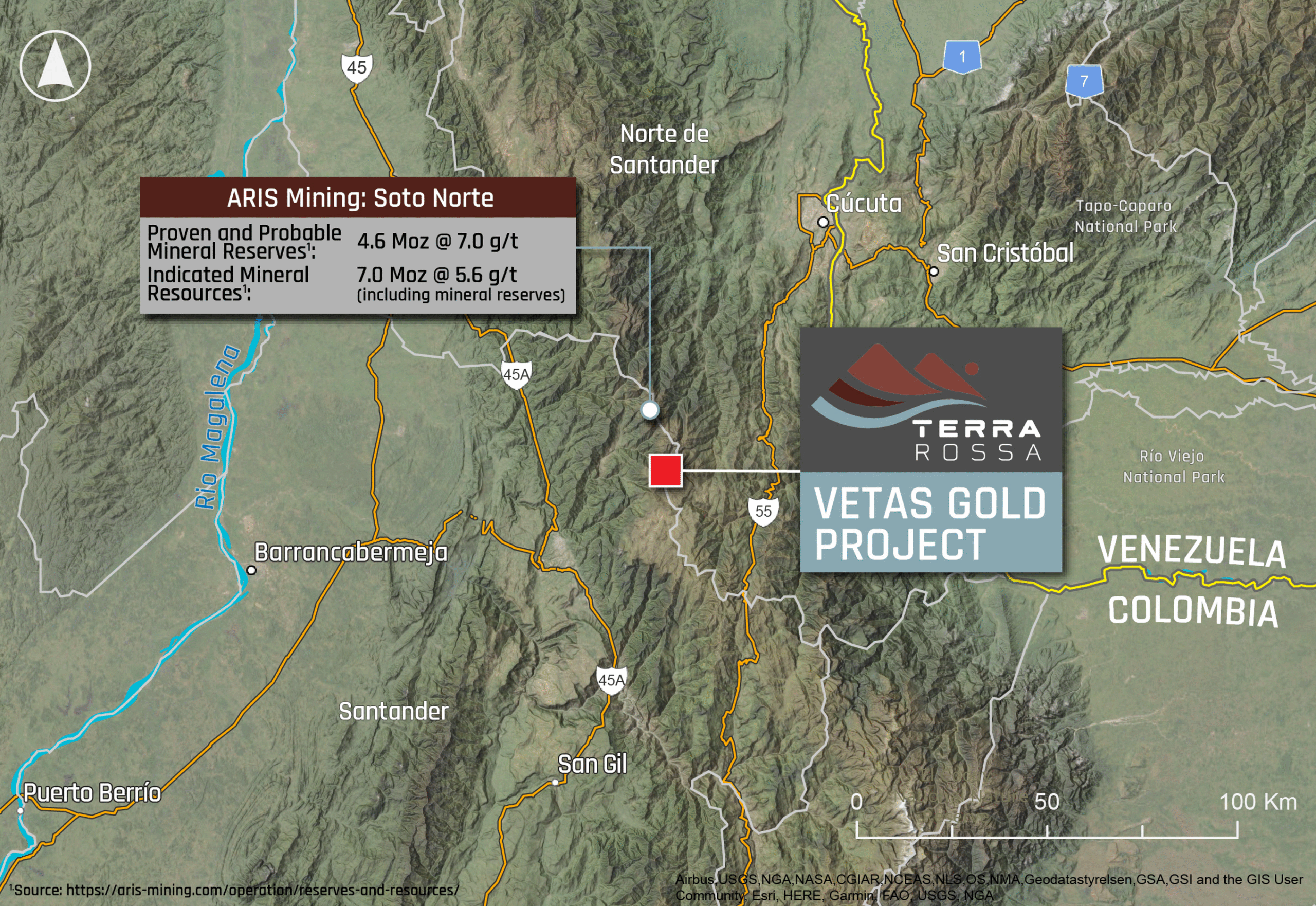
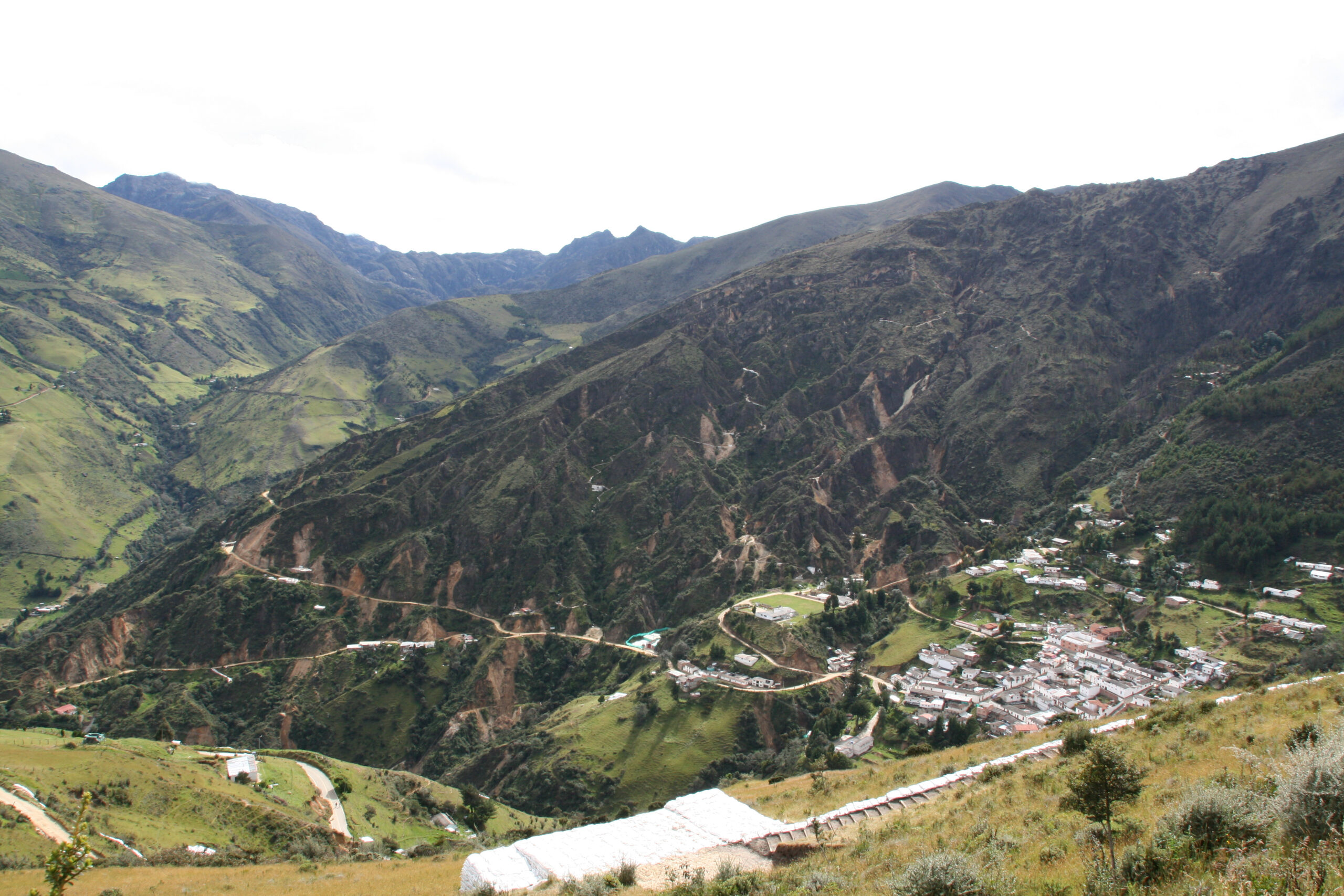
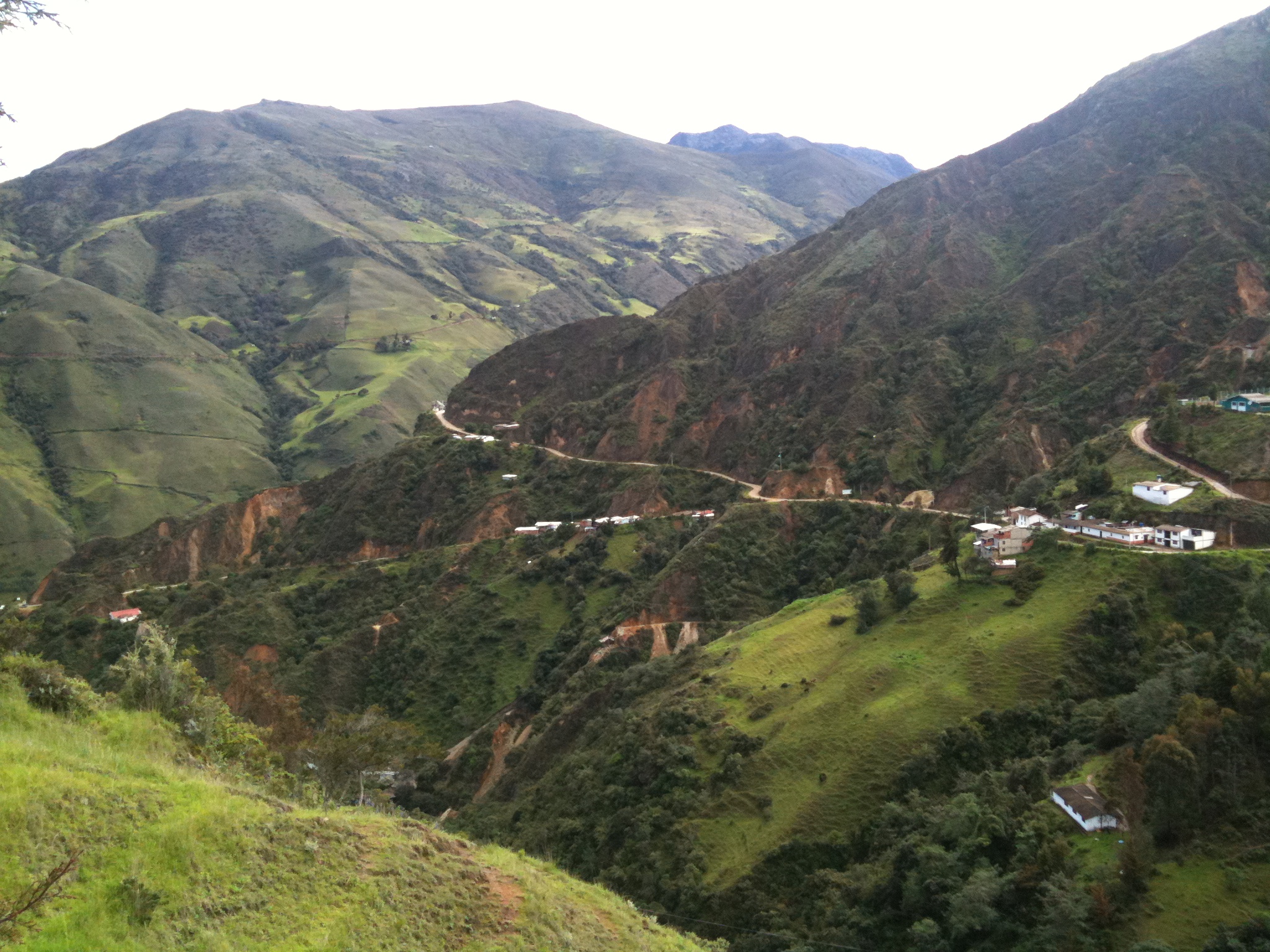
The Vetas Gold Project is located in the Northern Andes of Colombia, approximately 70 kilometres (km) northeast of Bucaramanga, Santander. The Property comprises 9 mineral claims covering a combined area of approximately 313.9 hectares (ha), located in the California-Vetas Mining District, town of Vetas, Santander Colombia, accessible by road from the city of Bucaramanga.
The Vetas Gold Project, part of the CVMD, is located within the Santander Massif which is part of triangular block known as the Maracaibo Subplate Realm. The Maracaibo block is bounded to the southwest by the NNW-trending, sinistral Bucaramanga -Santa Marta fault and to the southeast by the NE-trending dextral Boconó fault.
The Santander Massif is composed of two distinct geologic domains:
-
The deformed and metamorphosed rocks including the Mesoproterozoic, Bucaramanga Gneiss Complex related to the Grenvillian orogeny, the Neoproterozoic Silgará Formation and Ordovician Orthogneiss unit.
-
Younger intrusive complexes including Paleozoic synorogenic alkaline intrusions and Triassic-Jurassic post-orogenic calc-alkaline granitoids of the Santander Plutonic Group Group.
Vetas Gold Project
Project Description
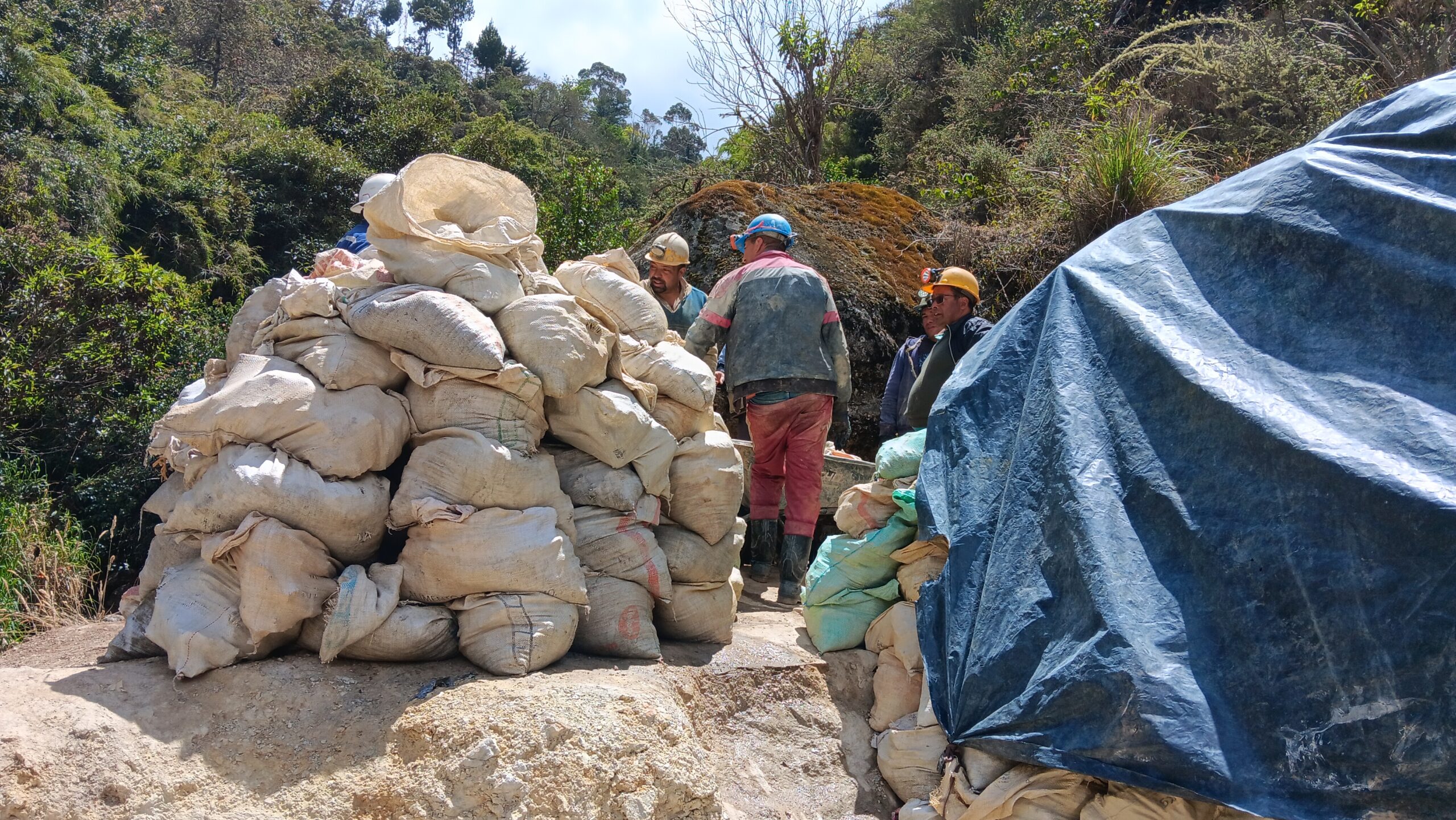
Vetas Project Gallery
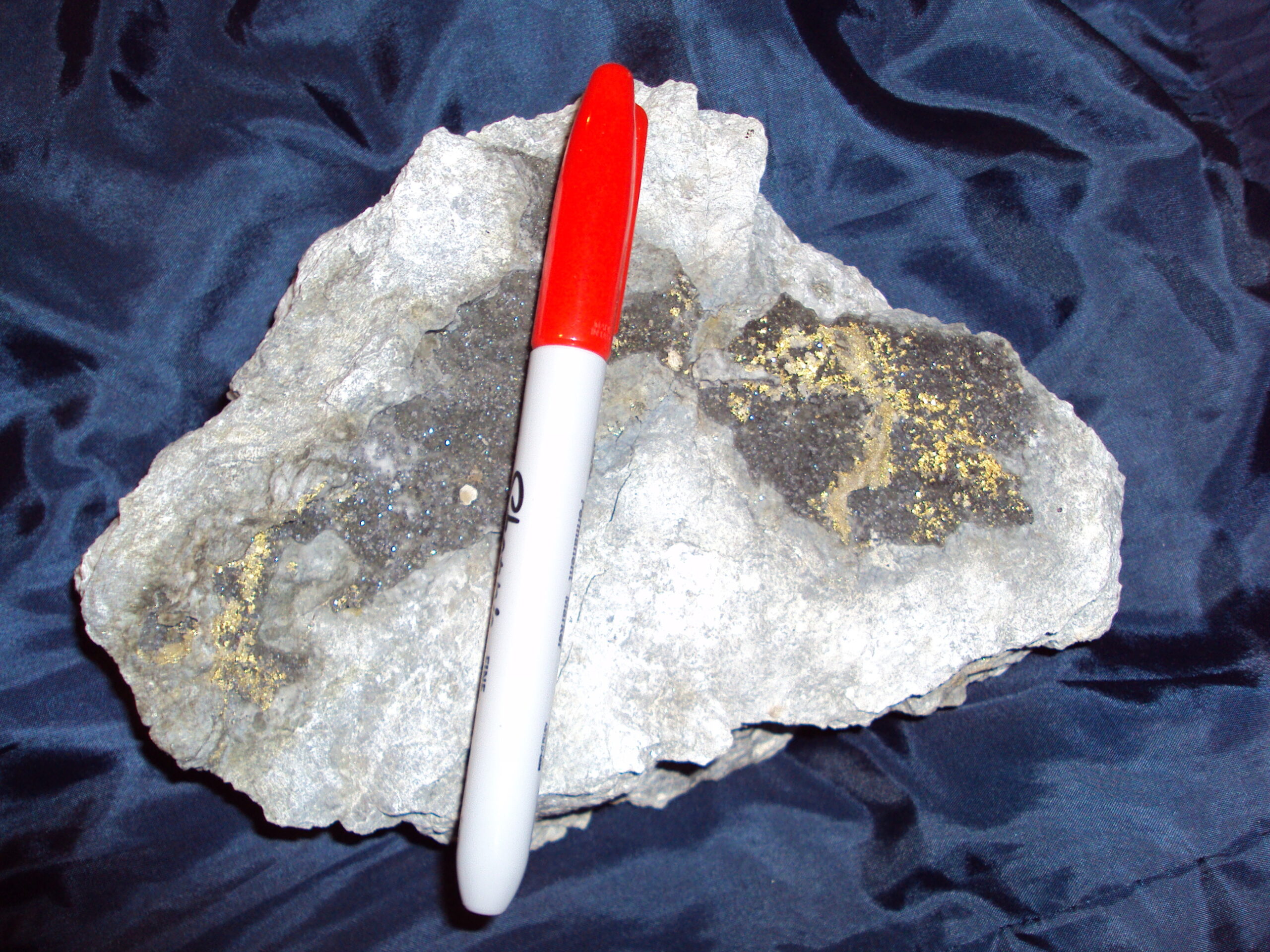
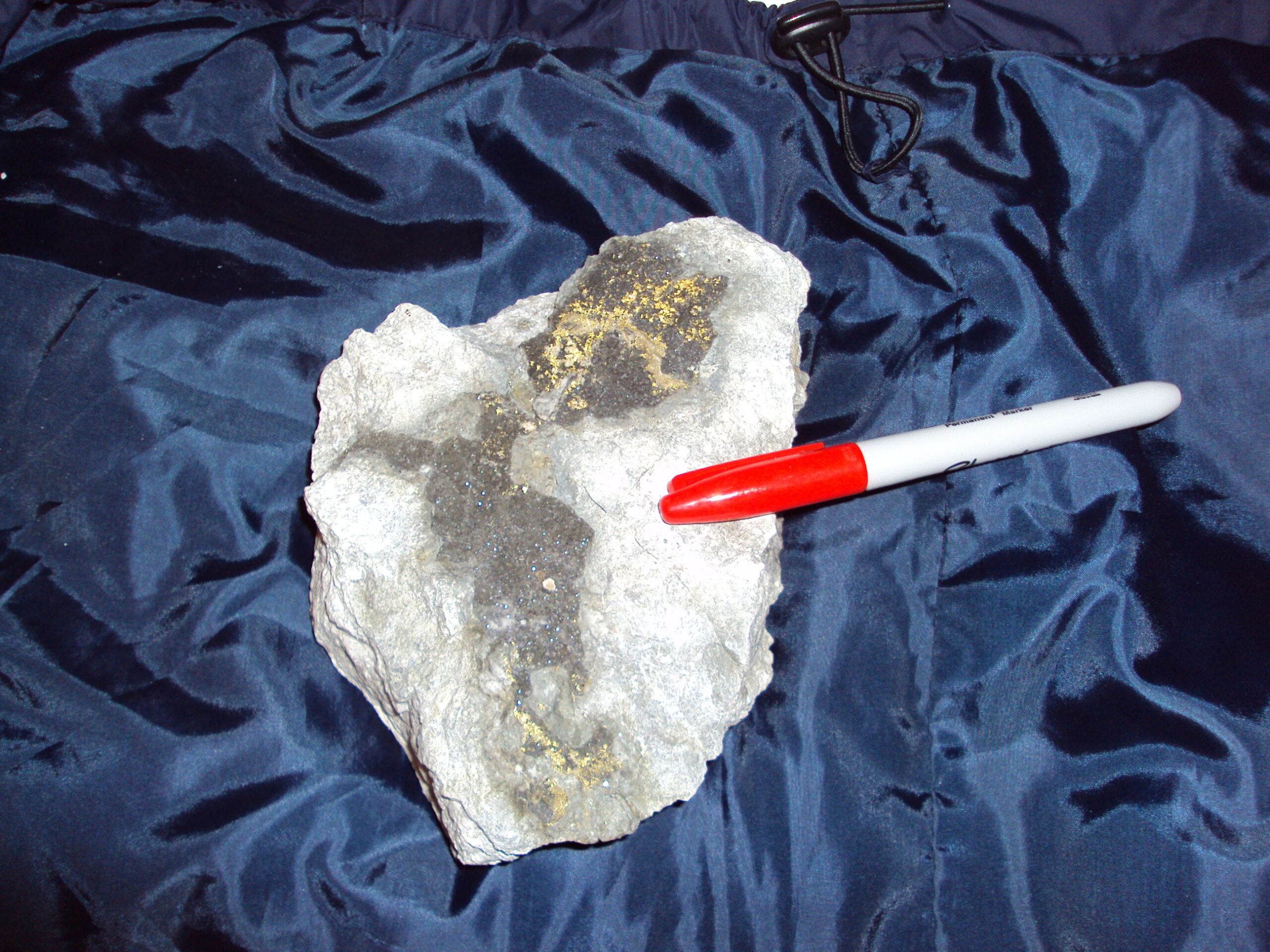
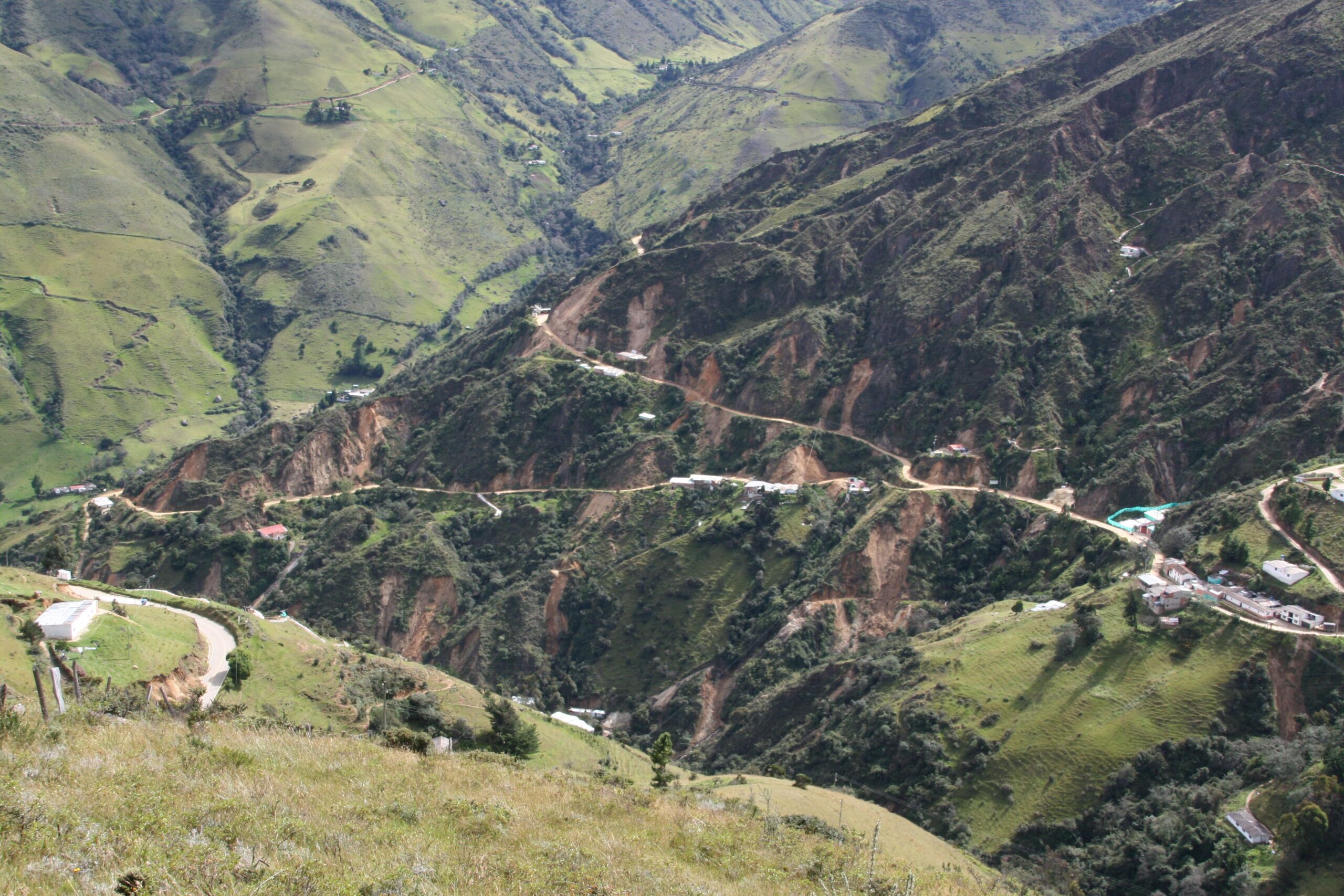
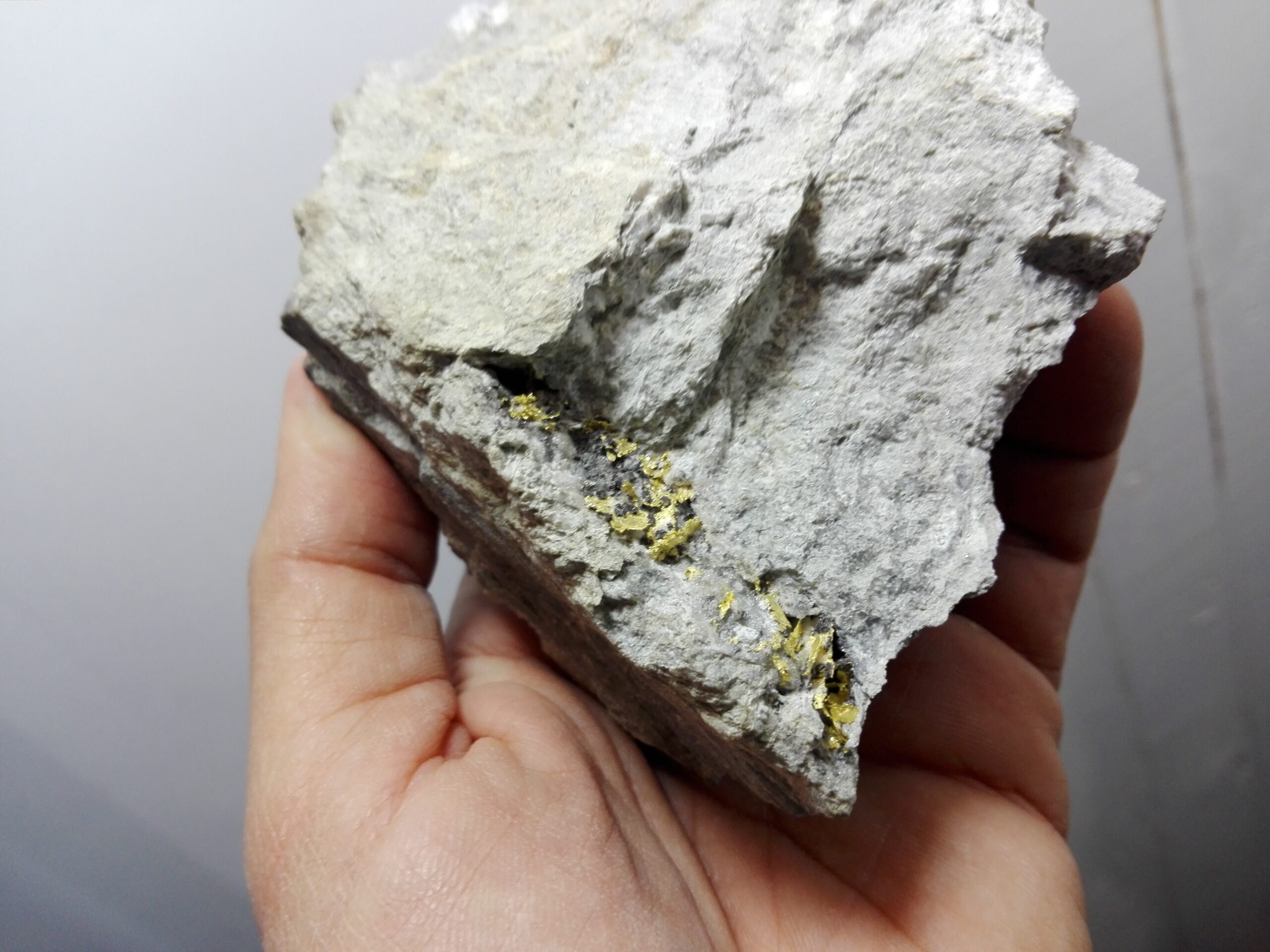
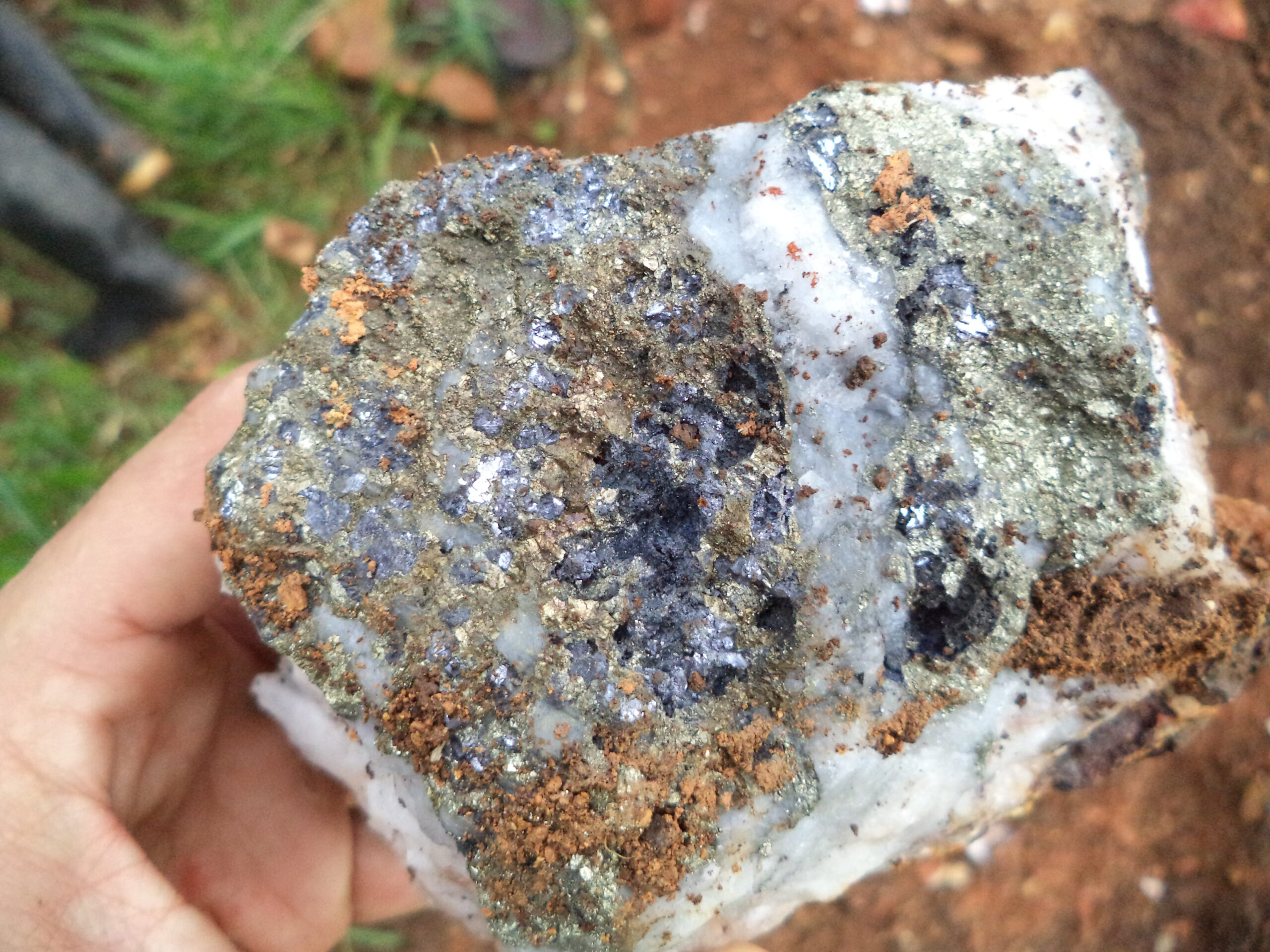
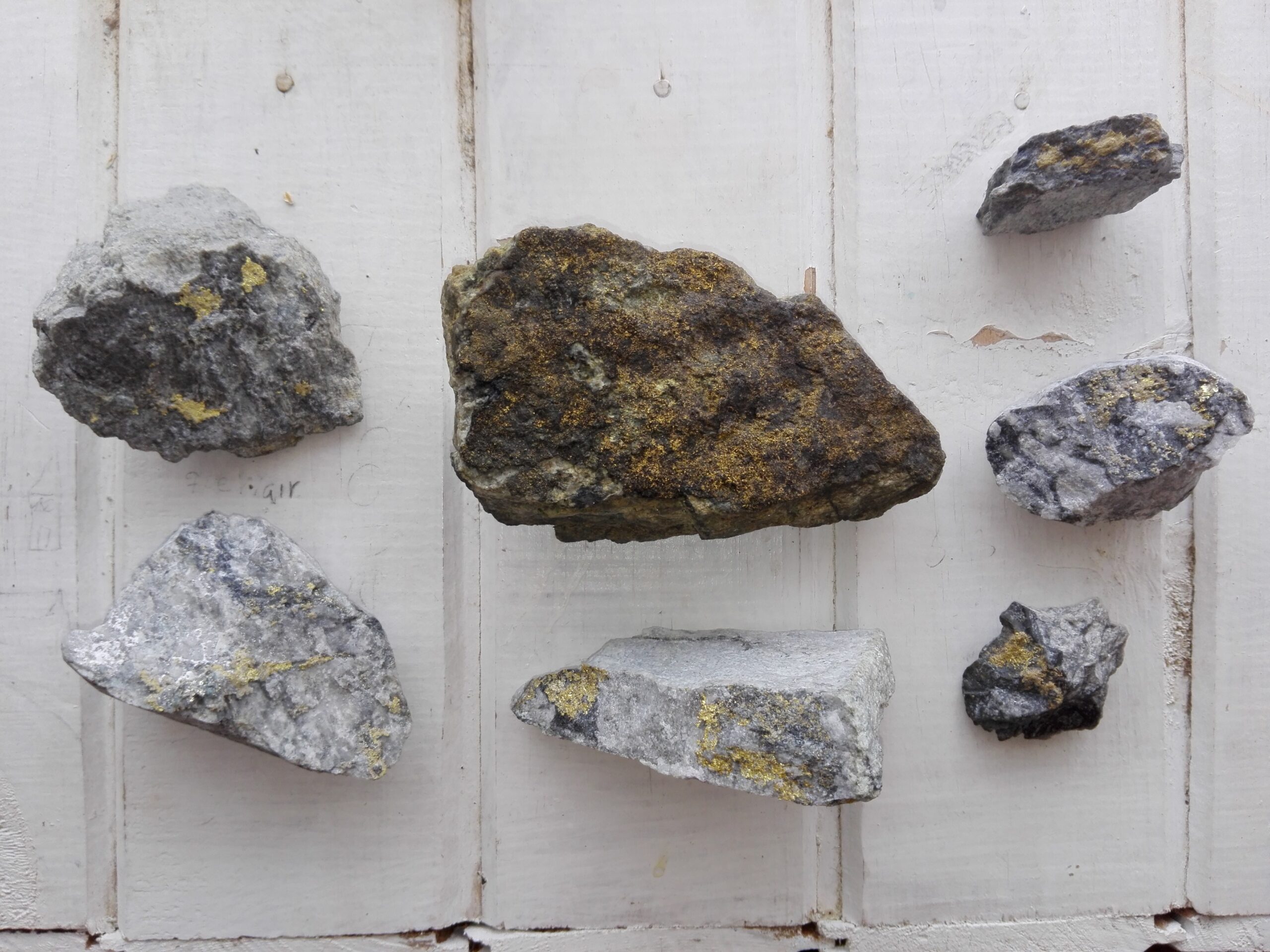
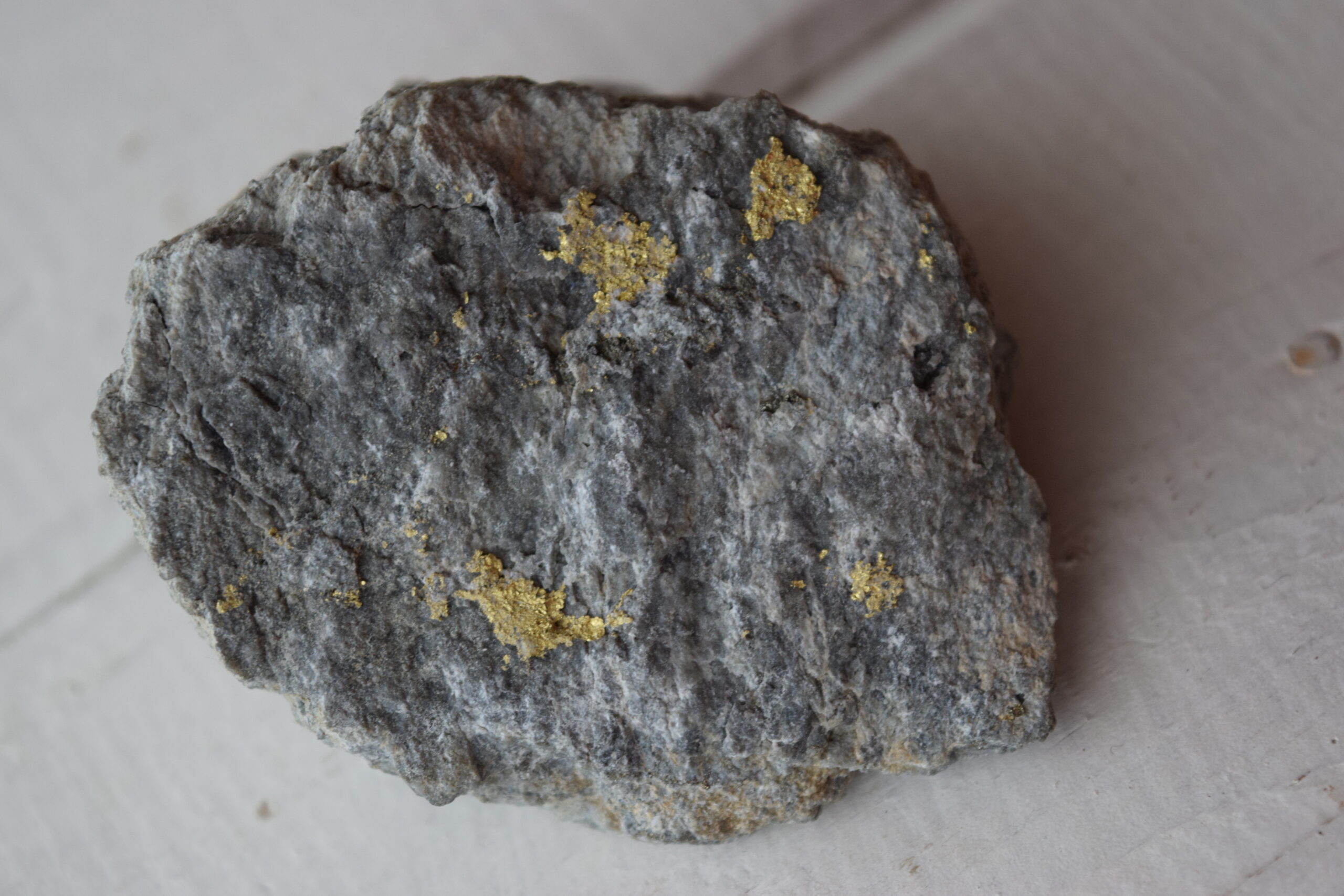
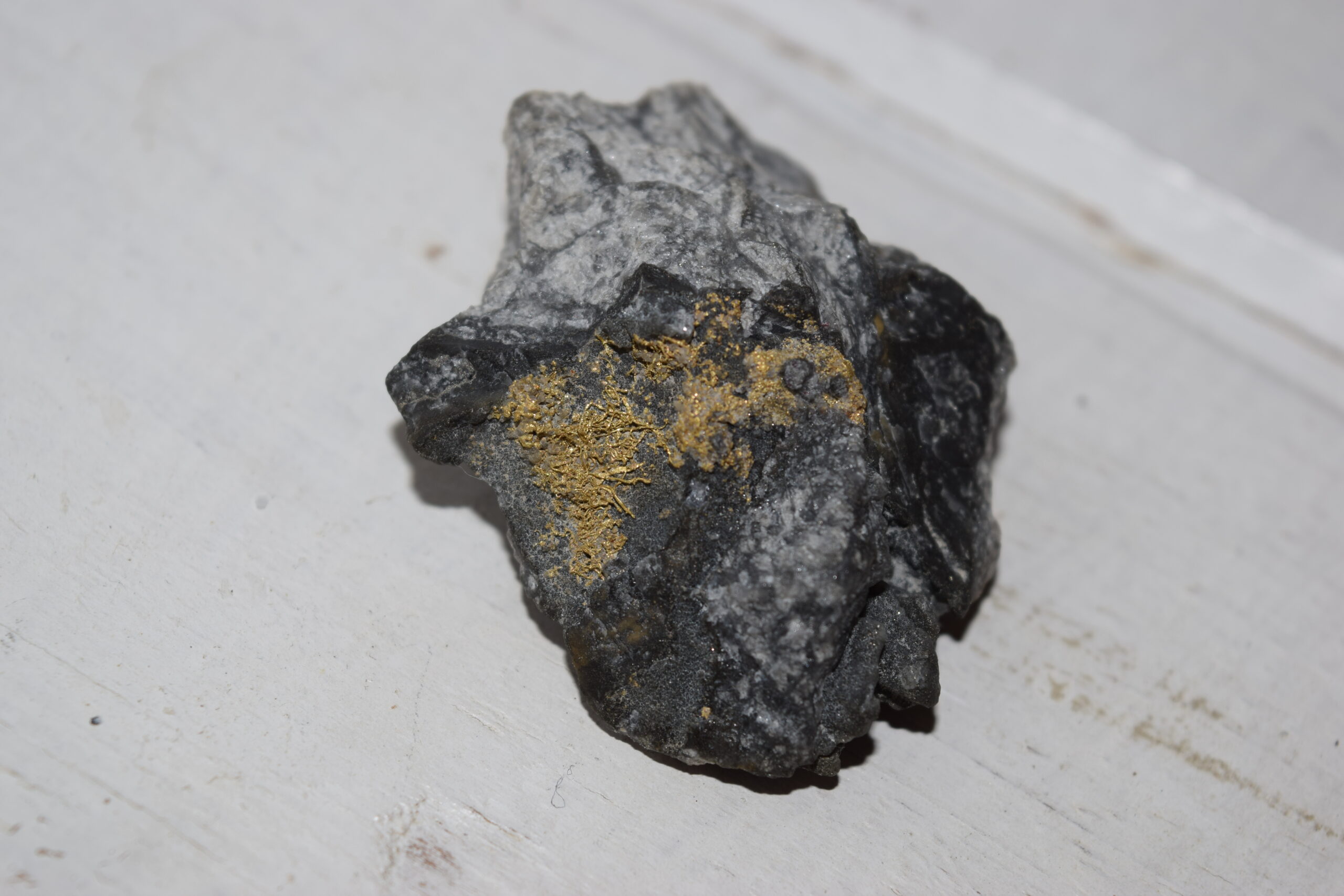
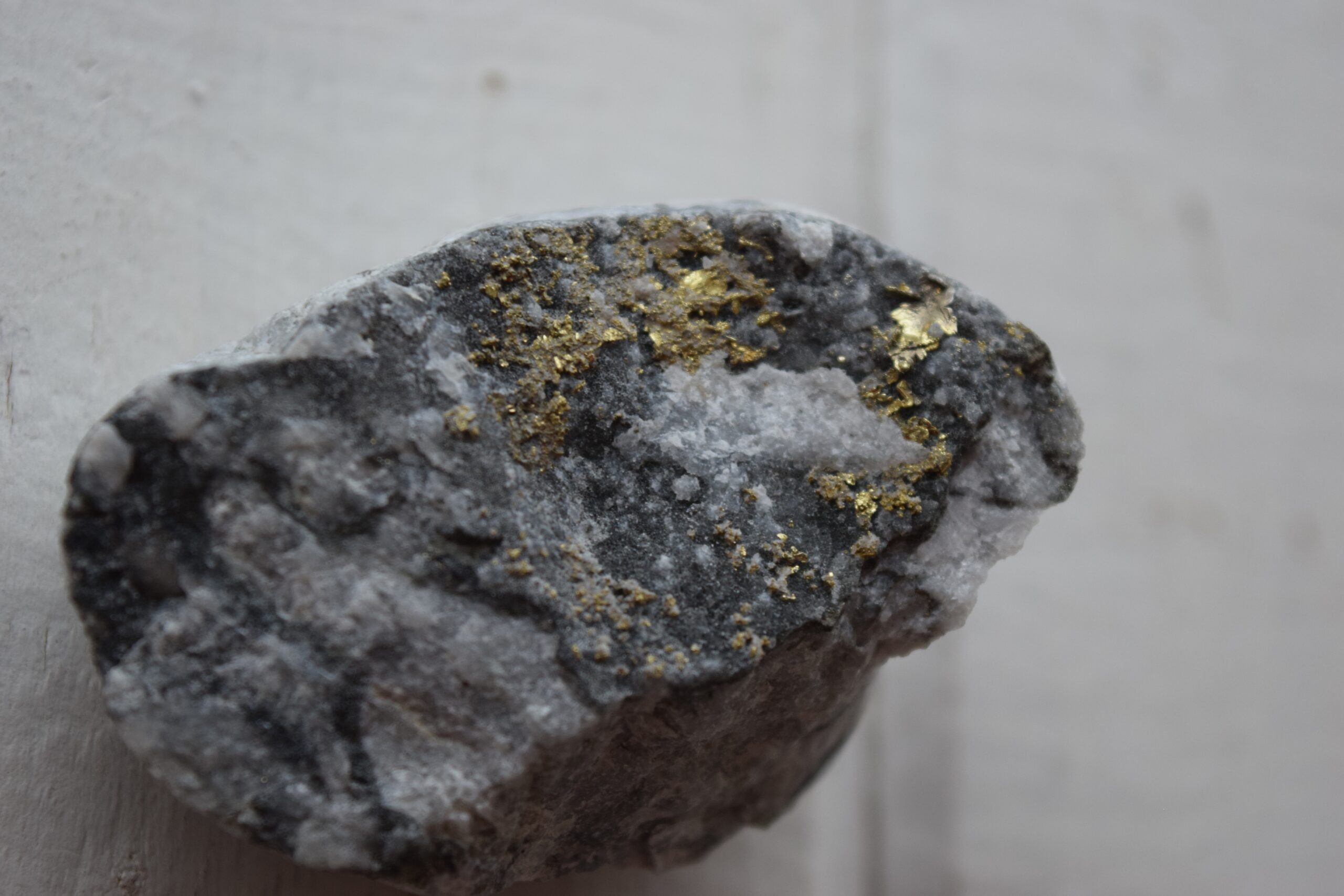
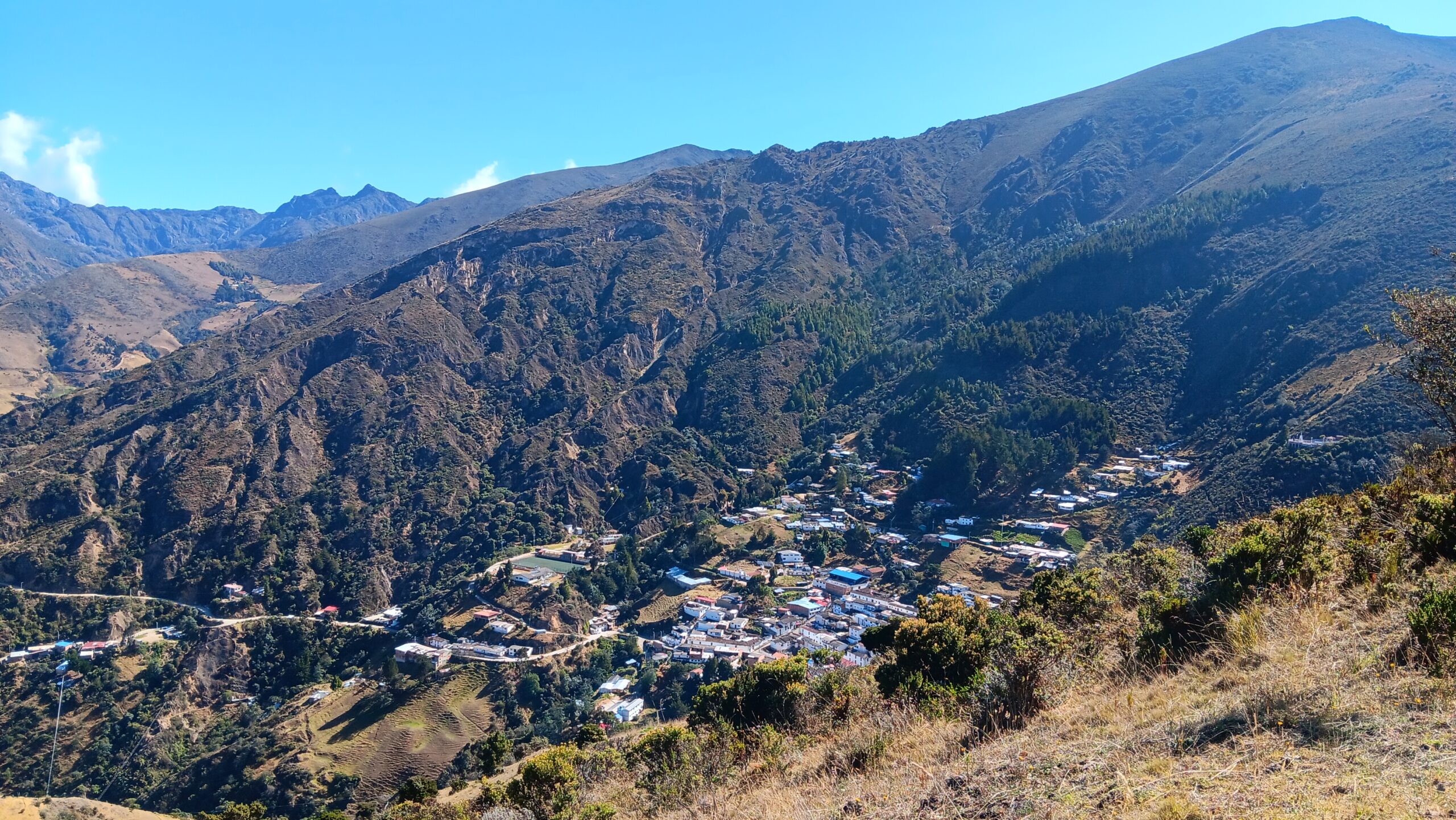
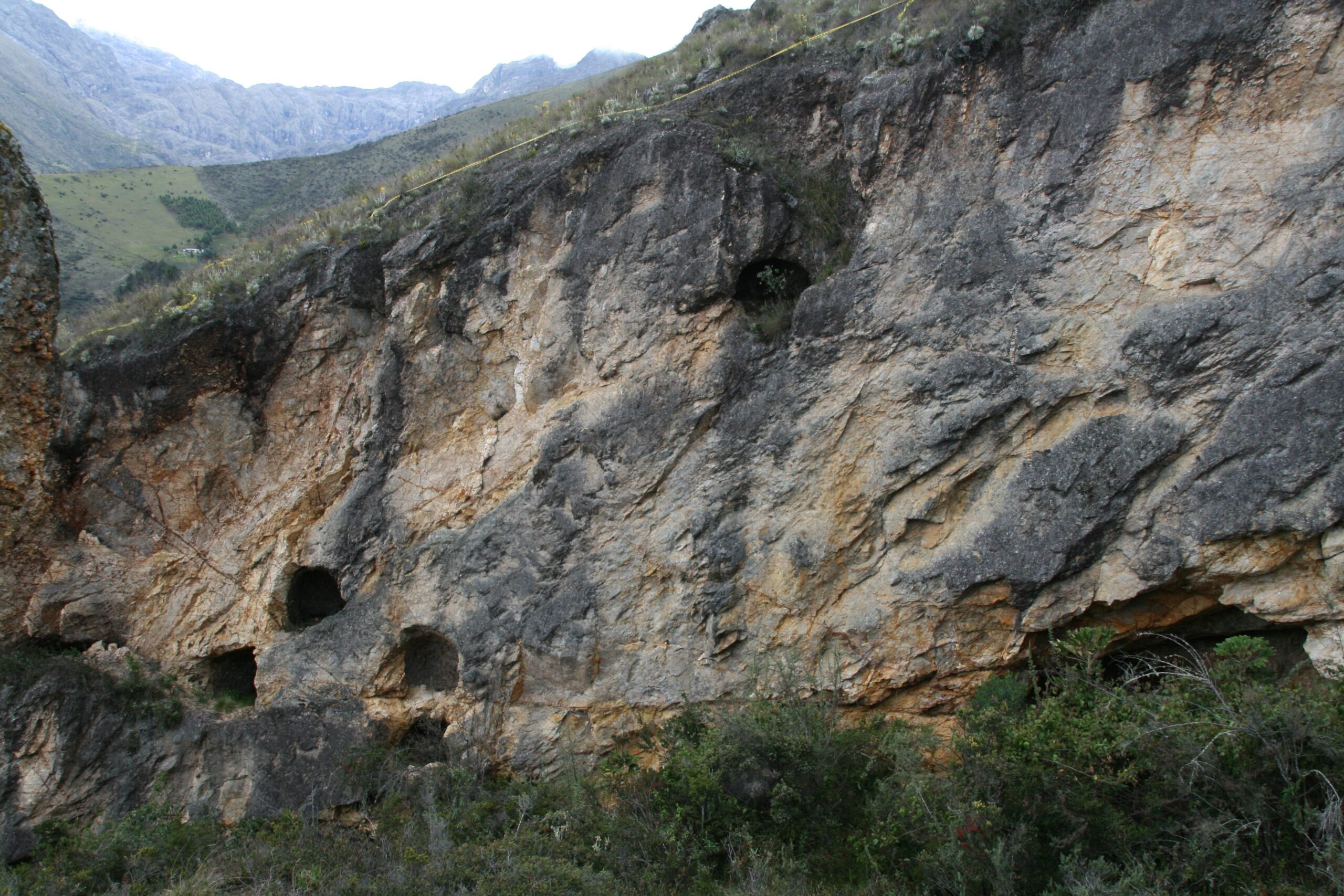
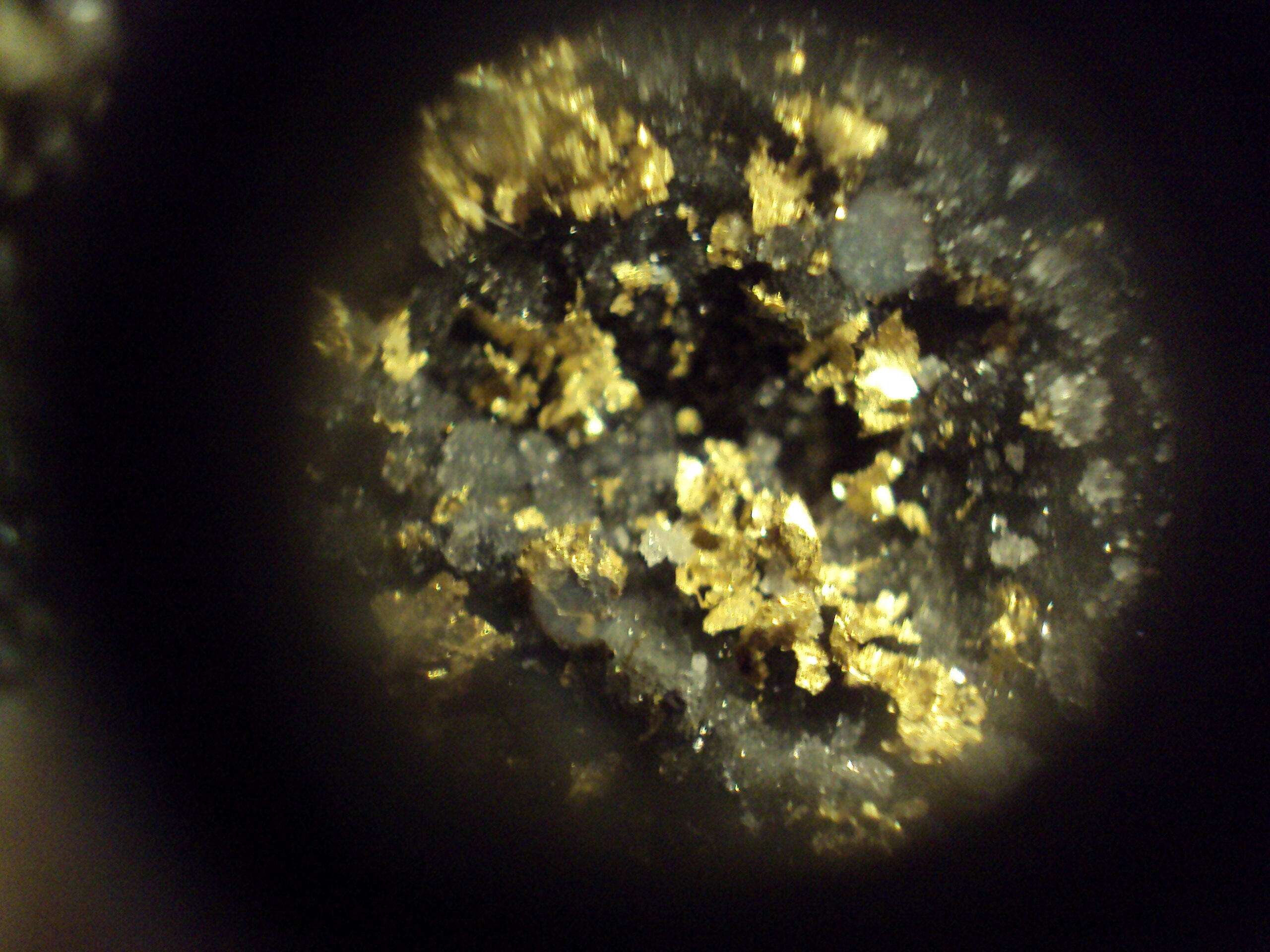
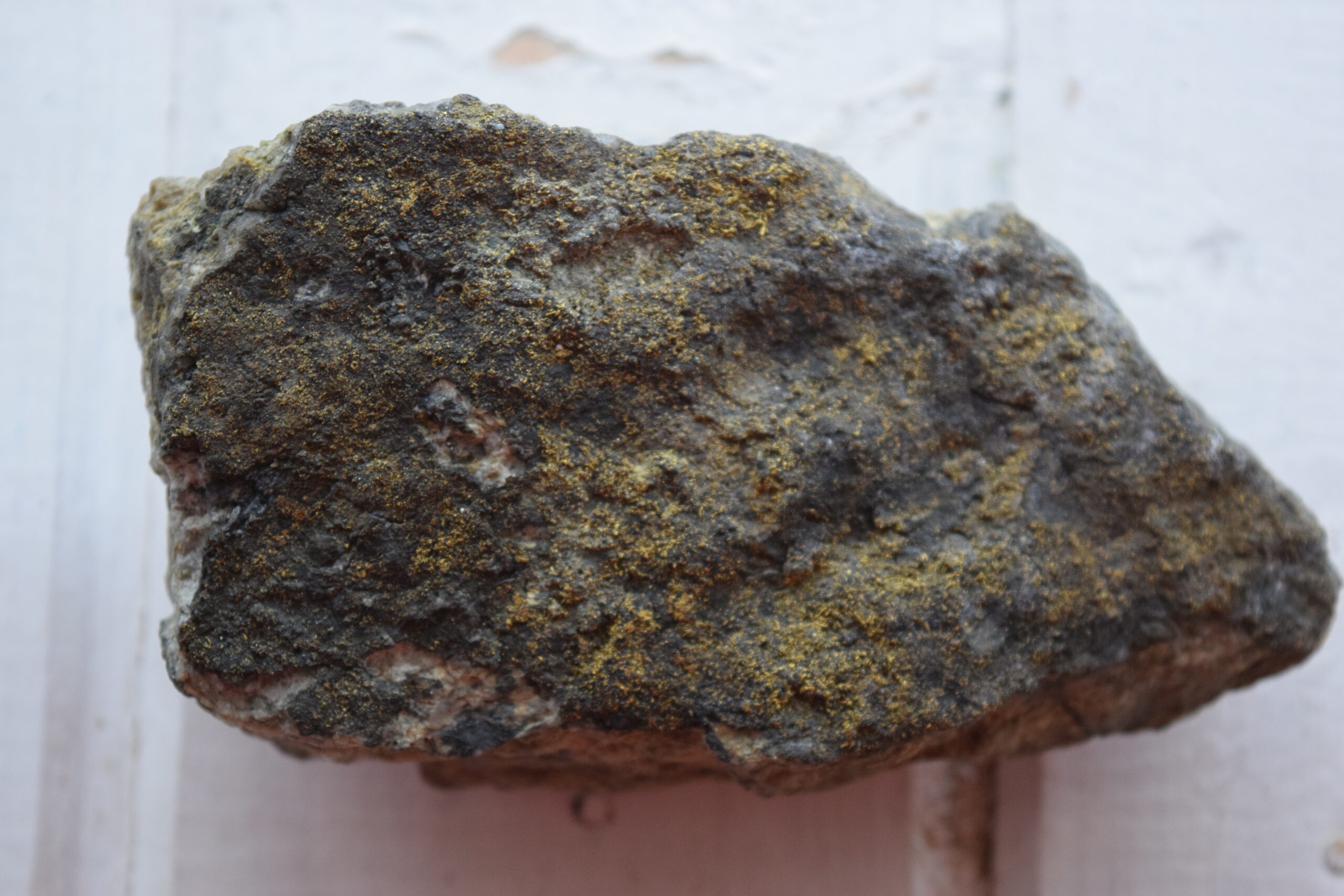
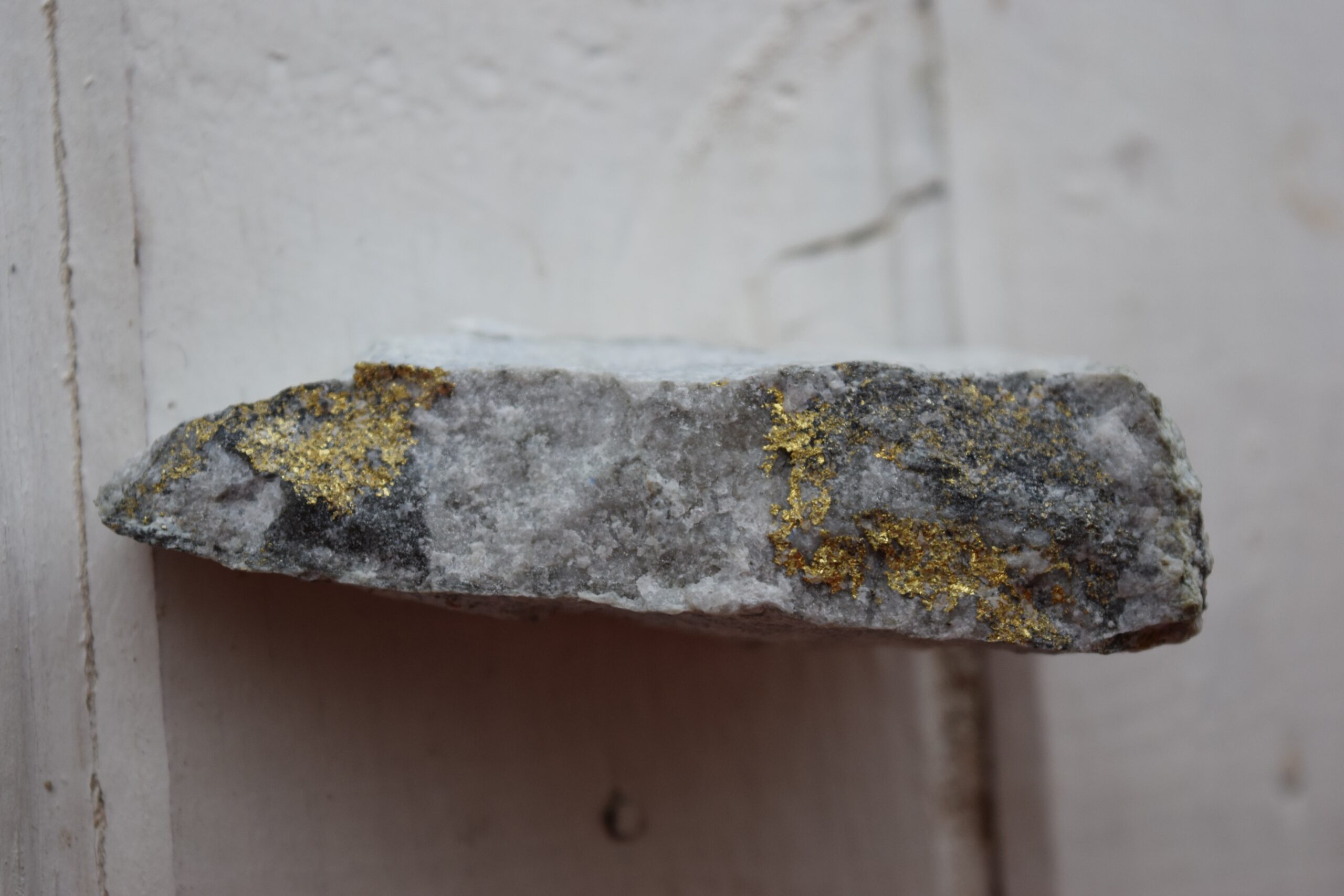
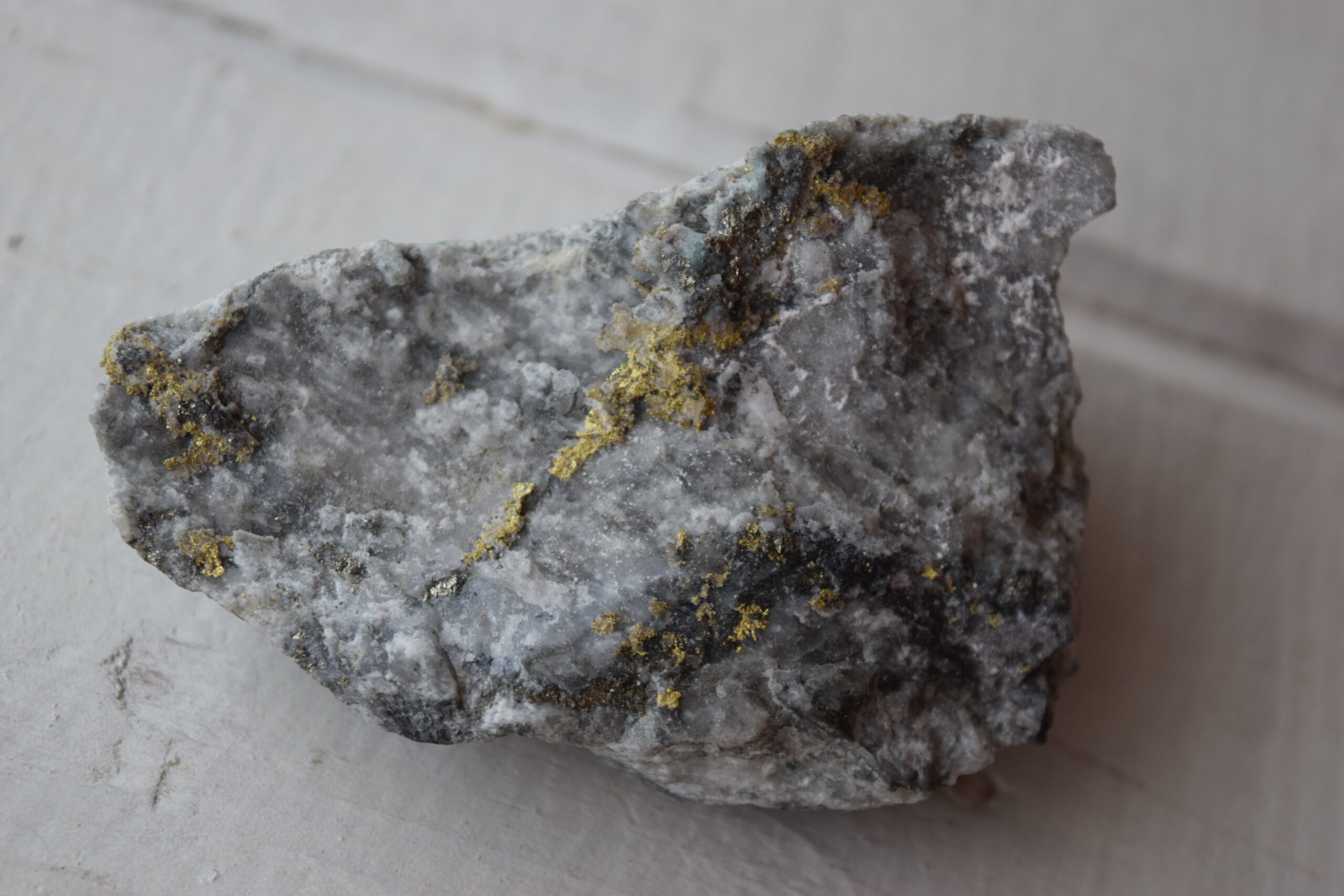
Click to enlarge
Regional Setting & Geophysics
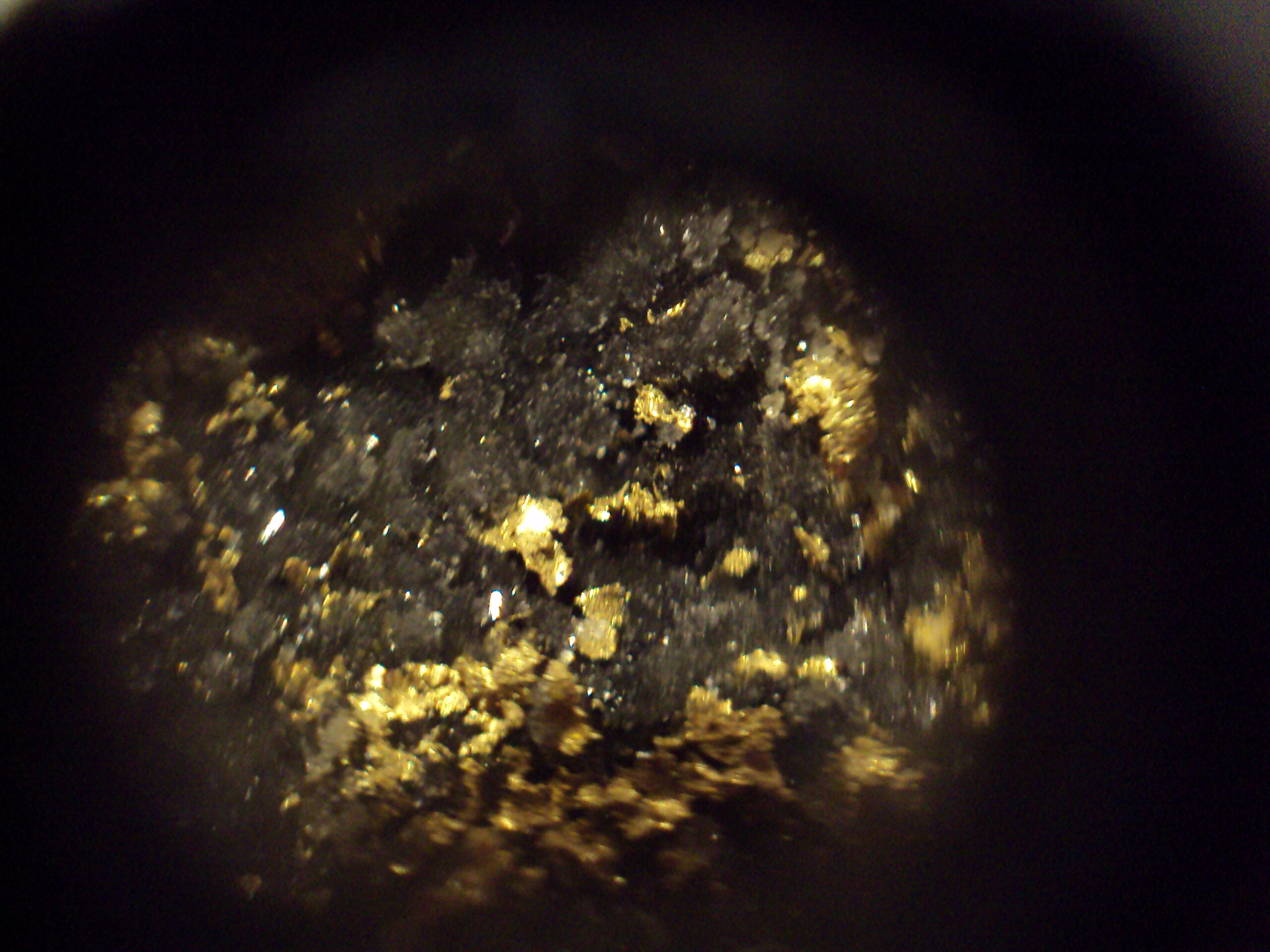
The Vetas Gold Project is part of the California Vetas Mining District, characterized by the several occurrences of epithermal, high-, intermediate- and low-sulphidation as well as shallow porphyry-like mineralization with a long history of gold mining.
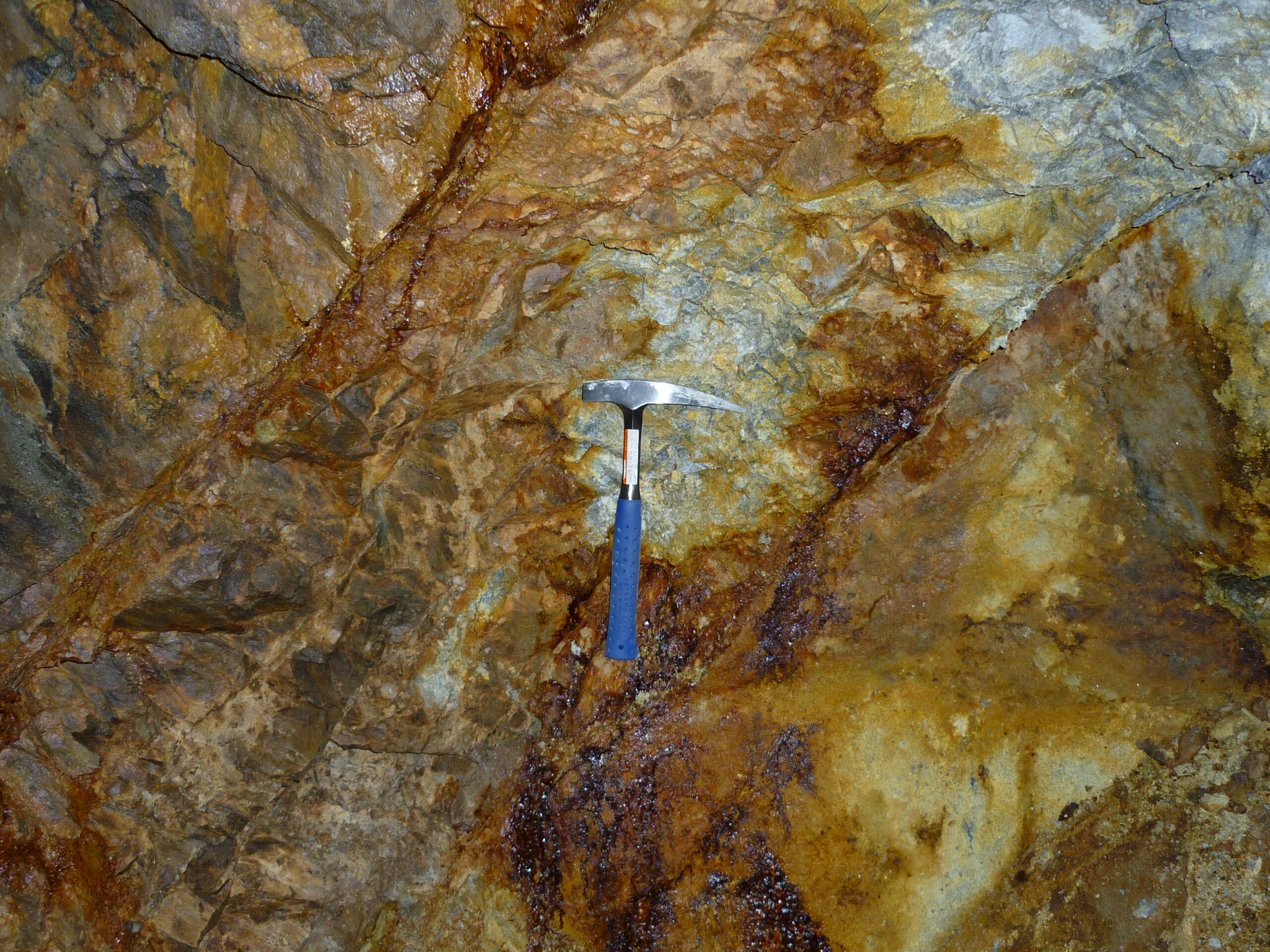
Gold mineralization in occurs mainly within northeast trending zones of veins and hydrothermal breccias and associated faults, including east-west extensive fractures, and hydrothermal breccias.
2011 CB Gold Field Program
The 2011 CB Gold Field Program at the Vetas Gold Project included a ground magnetometry and an induced polarization (IP) geophysical survey. The surveys took place between February 20, 2011, and May 6, 2011, and included:
- 61,250 meters of line staking: topographically controlled with a GPS/WAAS standalone unit.
- 61,250 meters of Total Field Ground Magnetometer profiles: over 34 magnetic NW-SE profiles, separated by 100 meters using two Scintrex ENVI proton magnetometers, one as a ase -station.
- 58,750 meters of Induced Polarization profiles: with constant-spacing measurements taken at 50 m intervals, employing the Pole – Pole (2-Array) electrode configuration, with a plotting point at mid distance between the moving electrodes C1 and P1; seven successive “a” spacings of 50 m, 100 m, 150 m, 200 m, 250 m, 300 m and 350 m were used, with Apparent Chargeability (Ma) and Apparent Resistivity (Ra) readings for each station.
Follow Up Drilling
- La Triada, to confirm the southwest extension of El Dorado mineralization and related structures as well as extension downdip.
- San Bartolo, for underground surveys and mapping, drilling to define extension and depth of mineralized veins.
- La Peter, to define extension of veins down dip for La Peter.
- Infill drilling to reduce spacing between vein pierce points and to characterize mineralization better from Real Minera veins and adjacent structures.
- A collection of geotechnical information during drilling or considering geotechnical drill holes for development evaluation.
Surveying and Mapping
To continue a thorough survey and mapping of current underground mine developments within the Veta Gold Project.
Metallurgical Studies
Complete representative metallurgical testing on each vein/mineralized structure and trend.
- As part of Phase 1 for the exploration program of the Veta Gold Project, the underground surveys, geochemical prospecting and initial follow up infill drilling of 1,500 m are recommended with an estimated cost of this Phase 1 program to be approximately CDN$580,000.
- The Phase 2 exploration is dependent on the results of Phase 1 and includes additional follow up diamond drilling (approximately 3000 m) and metallurgical studies. The recommended Phase 2 drilling at the Vetas Gold Project will test targets generated in Phase 1. The estimated cost of the Phase 2 program is CDN$720,000.
Geochemical Sampling
Follow-up on La Triada gold soil anomaly consistent with north-east trending veins, by conducting surface mapping and extending soil grid to the southwest of the Veta Gold Project and follow up on San Antonio regarding considering a soil sampling program of 100 m spaced lines with samples separated up to 50 m covering entire claim.
Vetas Project
Recommended Next Steps
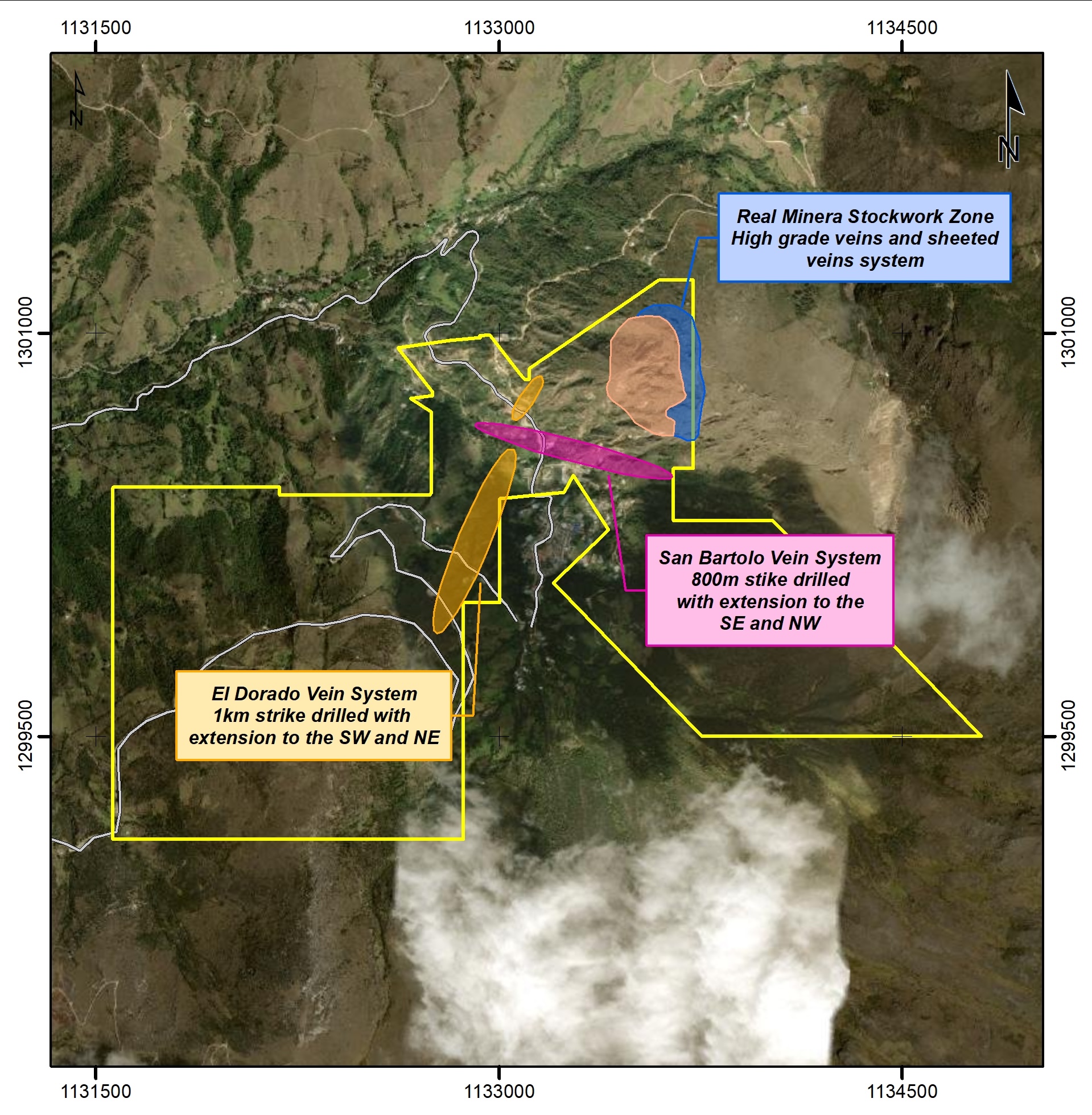
Vetas Project Vein Systems
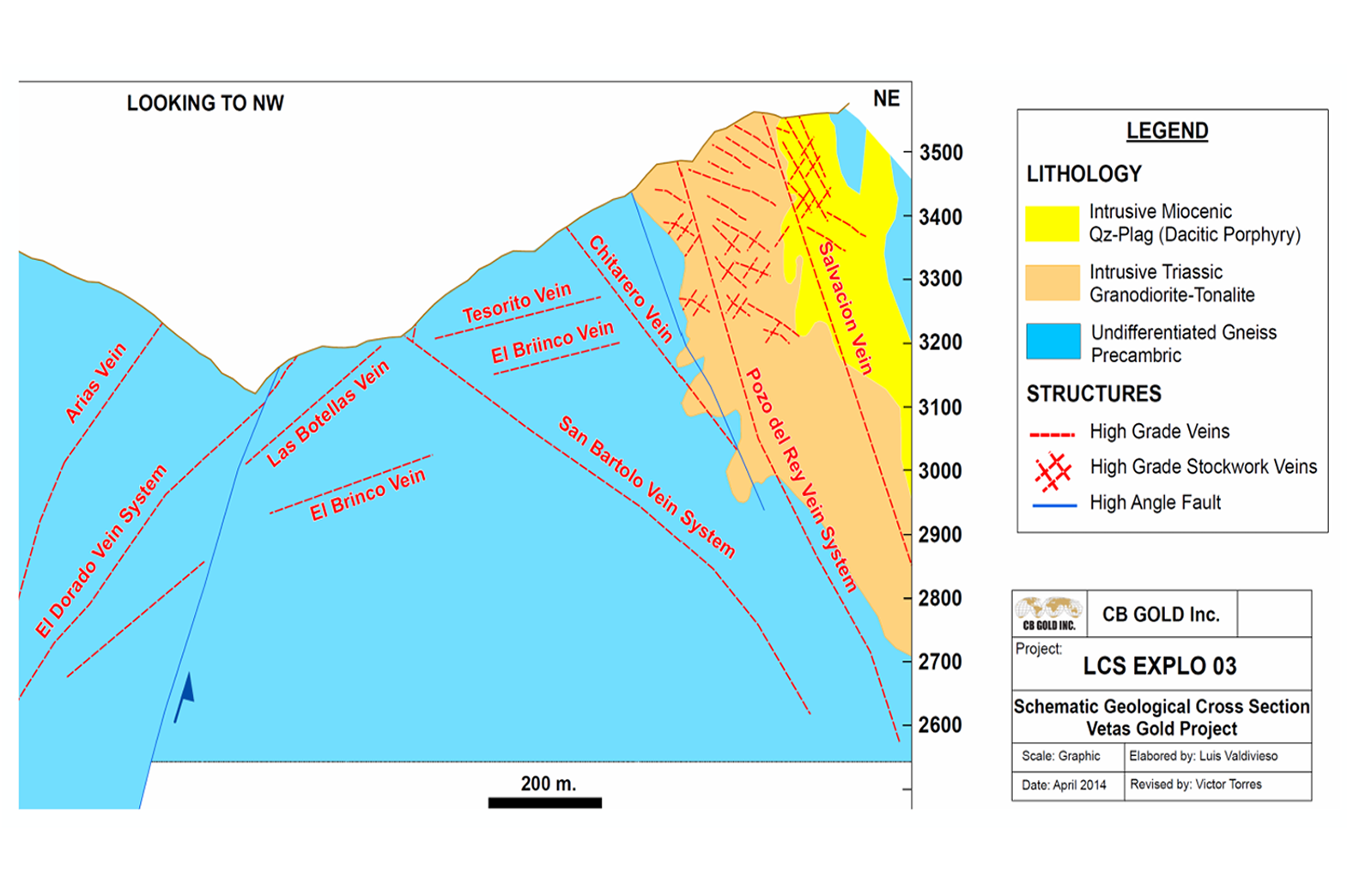
Exceptional Exploration Potential at Depth

Regional Geology & Mineral Trends
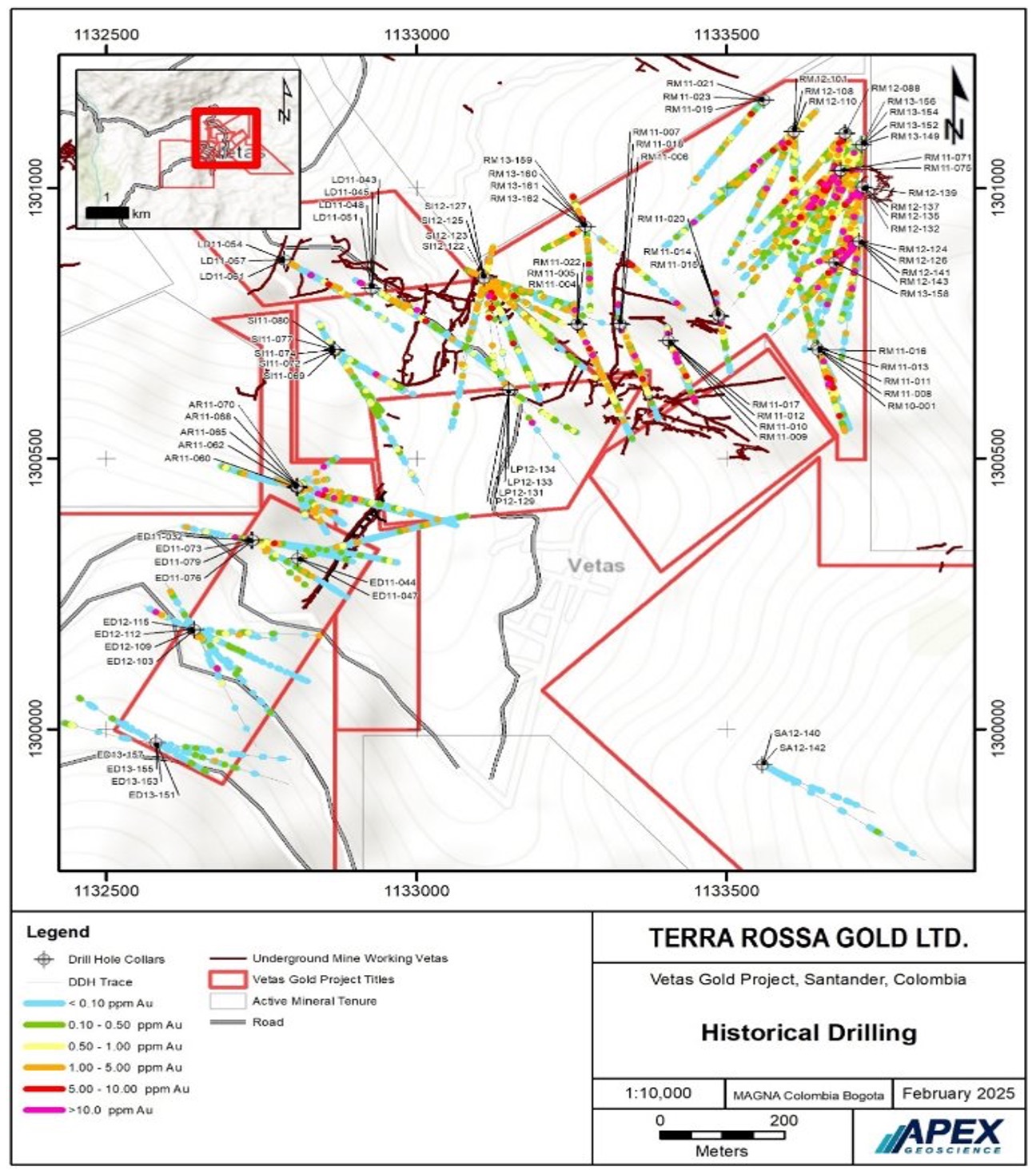
Minera Vetas Claim Map
Vetas Gold Project
Project Description
The Vetas Gold Project is located in the Northern Andes of Colombia, approximately 70 kilometres (km) northeast of Bucaramanga, Santander. The Property comprises 9 mineral claims covering a combined area of approximately 313.9 hectares (ha), located in the California-Vetas Mining District, town of Vetas, Santander Colombia, accessible by road from the city of Bucaramanga.
The Vetas Gold Project, part of the CVMD, is located within the Santander Massif which is part of triangular block known as the Maracaibo Subplate Realm. The Maracaibo block is bounded to the southwest by the NNW-trending, sinistral Bucaramanga -Santa Marta fault and to the southeast by the NE-trending dextral Boconó fault.
The Santander Massif is composed of two distinct geologic domains:
-
The deformed and metamorphosed rocks including the Mesoproterozoic, Bucaramanga Gneiss Complex related to the Grenvillian orogeny, the Neoproterozoic Silgará Formation and Ordovician Orthogneiss unit
-
Younger intrusive complexes including Paleozoic synorogenic alkaline intrusions and Triassic-Jurassic post-orogenic calc-alkaline granitoids of the Santander Plutonic Group Group.